What Is Applied Kinesiology? A Holistic Chiropractic Approach to Nervous System Health
By Dr. Kirsten West
I still remember the moment I realized the body could heal differently. As a teenager struggling to catch my breath during sports, I asked my practitioner a simple question: “Wait, you mean I don’t have to use an inhaler for the rest of my life?” That question—and the care that followed—changed how I understood symptoms, stress, and the body’s natural ability to heal when root causes are addressed. It’s also what led me to applied kinesiology and the work we offer today at Mindful Wellness Space.
Applied Kinesiology (AK) is a holistic clinical approach that uses manual muscle testing to identify patterns of stress and dysfunction within the body and nervous system. These stress patterns may be:
Physical (spinal alignment, joint motion)
Chemical (food sensitivities, chronic illness, environmental exposures)
Emotional (past trauma, prolonged stress)
The nervous system does not distinguish between these types of stress. Whether a stressor is physical, chemical, or emotional, the body interprets it simply as stress and often shifts into a “fight or flight” state, also known as sympathetic nervous system dominance.
I grew up seeing an applied kinesiologist and chiropractor from a very young age. In high school, while many of my peers with breathing difficulties were prescribed inhalers and told they would need them long-term, my care focused on identifying underlying stress patterns. I was a three-sport athlete and occasionally struggled to catch my breath after intense conditioning. Rather than treating the symptom alone, my practitioner looked for what was interfering with my body’s ability to regulate and adapt.
This is why patients may come into our office with low back pain or another structural concern and leave with insight into how their symptoms relate to other systems in the body—often the digestive, immune, or respiratory systems. How does this connection exist? Anatomy.
Each nerve that exits the spine supplies both a muscle and an organ. Because of this shared neurological pathway, stress or dysfunction affecting an organ can influence muscle function, and vice versa.
Through muscle testing and applied kinesiology, my practitioner identified that my “asthma-like” symptoms were connected to both spinal stress and dietary inflammation. Adjusting my mid-back to support lung function and avoiding dairy—which was contributing to congestion and airway inflammation—allowed my nervous system to regulate more effectively.
Through applied kinesiology, we identify similar primary stressors that interfere with the body’s ability to support and stabilize the spine. By adjusting specific spinal segments and addressing related muscle and neurological imbalances, the nervous system is better able to integrate corrections. This often allows the body to hold an adjustment longer and experience more lasting symptom relief.
AK also adds a layer of precision to chiropractic care. Muscle testing helps guide what to adjust, where, and in what direction—allowing care to be personalized rather than generalized. In my case, this approach meant I never needed an inhaler. Even today, if I consume too much dairy, my lungs are where I feel it most—a reminder of how clearly the body communicates when we know how to listen.
That experience shaped my path as a holistic health practitioner and continues to inform the care we provide at Mindful Wellness Space: addressing root causes, supporting nervous system regulation, and working with the body as an integrated whole.
What Does Applied Kinesiology Look Like at Mindful Wellness Space?
At Mindful Wellness Space, Dr. West—chiropractor and applied kinesiologist—offers free 15-minute consultations, either in person or by phone. This consultation allows you to share your health history, concerns, and goals, and helps determine whether our approach is a good fit.
Appointments are scheduled based on time and complexity. Session length may vary from visit to visit. We offer:
15-minute sessions for focused evaluations, treatment, and brief education
30-minute sessions for moderate-complexity concerns
45-minute sessions for complex or chronic conditions
60-minute sessions for in-depth care and ongoing support
For chronic concerns such as Lyme disease, migraines, mold exposure, or long-standing nervous system stress, we typically recommend 45-minute sessions or longer. These visits allow adequate time to address supplement protocols, lifestyle factors, and nervous system regulation.
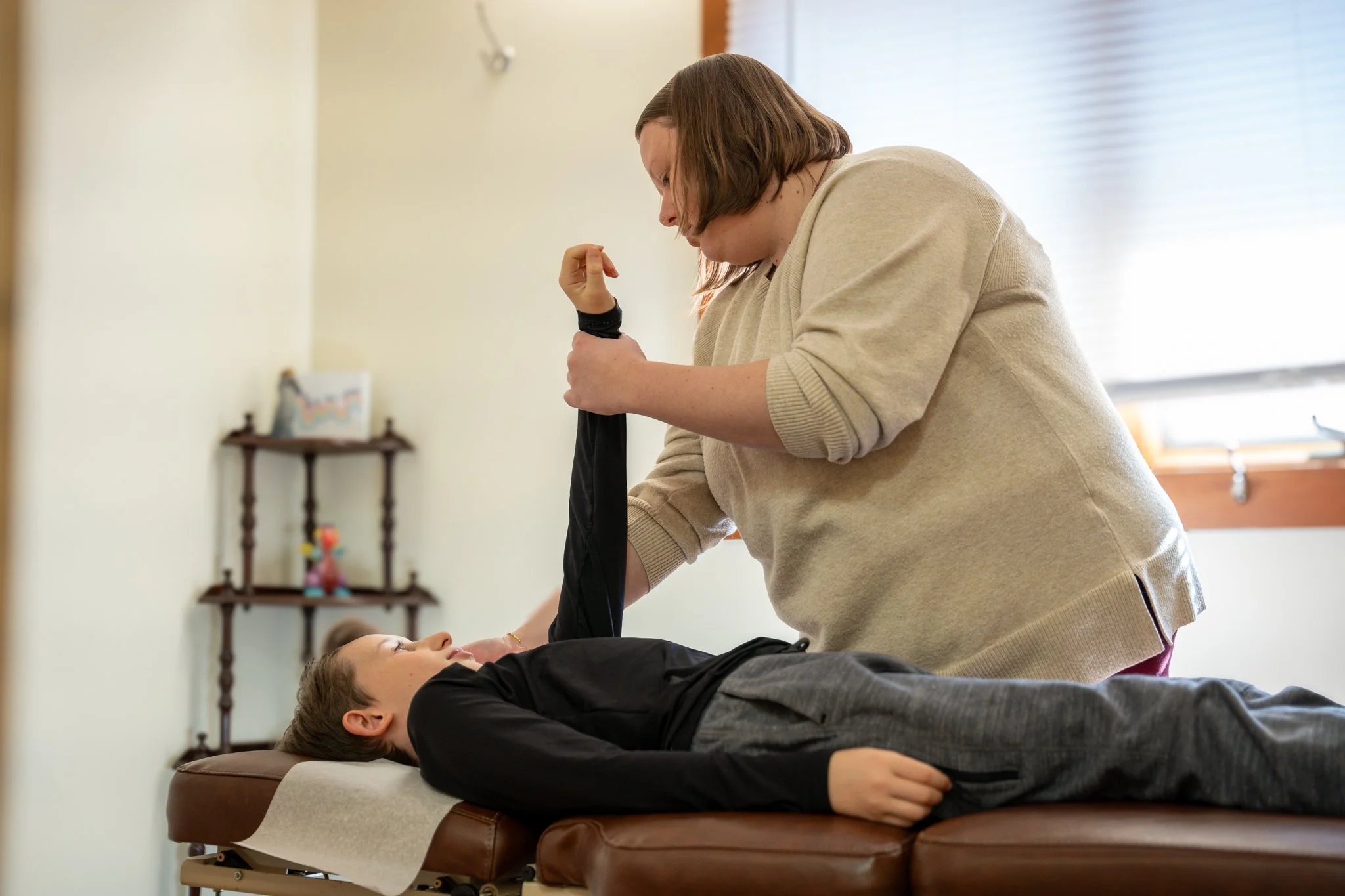
Every visit includes chiropractic adjustments—performed by hand or with an instrument (Activator)—to help reset the nervous system and correct stress patterns identified through applied kinesiology.
Not sure how much time you need for your first appointment? We recommend starting with a free consultation with Dr. West to determine the best path forward.